


 Travel News
 Filomathia Greek Language Centre is a well-established institution (2007) whose aim is to make learning Greek an unforgettable experience.Teaching the Greek Language has been of ultimate importance respectively to its History and position among the oldest and richest languages of the world emphasizing on its modern aspect and daily use.
Filomathia Greek Language School offers Modern Greek language courses for foreigners who live or visit Chania or Crete island in Greece. For information about greek language courses and current courses offers you can visit website of the school.
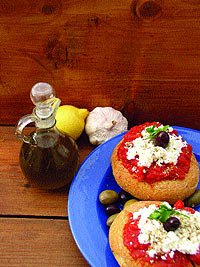 Η Περιφερειακή Ενότητα Ρεθύμνης και ο Δήμος Ρεθύμνης στο πλαίσιο προώθησης και προβολής των τοπικών προϊόντων, πρόκειται να διοργανώσουν από κοινού για πρώτη φορά φέτος τη «Γιορτή Κρητικής Διατροφής». Η εν λόγω εκδήλωση, η οποία θα περιλαμβάνει έκθεση τοπικών προϊόντων, γευσιγνωσία, πολιτιστικού και εκπαιδευτικού χαρακτήρα (π.χ ημερίδες) δραστηριότητες θα πραγματοποιηθεί 1-7 Ιουλίου 2012 στο Δημοτικό Κήπο Ρεθύμνου.
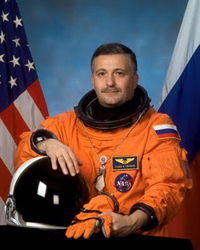 The cosmonaut Theodoros Giourhitsin is Greek origin, his real last name is Grammatikopoulos. He is very famous in Russia and is about to participate in the big promoting celebration for Cretan and Greek tourist products during the 19th Moscow International Exhibition Travel and Tourism, MITT 2012.